









Wrap Boxes Explained: A Smarter Approach to Rigid Packaging

Some packaging styles are built around speed. Others are built around presentation. Wrap boxes sit somewhere in between. Not only are they designed to look composed without feeling overworked, they are also structured and sturdy.
Wrap boxes are often used for items that need a cleaner presentation, ranging from clothing accessories, cosmetics, small gift sets to promotional kits. Instead of folding into shape like standard cartons, these boxes are formed using rigid board and then covered with a printed or textured wrap.
The result is a box that feels solid in hand while still allowing a wide range of finishes on the outside.
How Wrap Boxes Are Constructed
Wrap boxes are usually made using thick paperboard, often referred to as greyboard or chipboard. This material forms the core structure of the box, giving it strength and keeping it from bending out of shape.
After the formation of the structure, a printed sheet is applied over it, giving the box its final appearance. It can be plain, textured or printed with detailed graphics depending on how the packaging is meant to look.
Mostly, all the raw edges are hidden when the wrap fully covers the board, creating a cleaner finish compared to standard cartons where folds and seams are more noticeable. The box feels more stable when opened and closed as as the box holds its shape and does not collapse.
Where Wrap Boxes Fit in Retail
Wrap boxes are used when the product inside needs more structure than a folding carton can provide. Items like perfumes, accessories, small electronics or curated kits are commonly packed in this format.
It makes these boxes fit for retail as they are easy to stack and display because they maintain their shape. They also open in a more controlled way, which works well for products that are presented directly to customers. For gift packaging, wrap boxes are often used with lids, sleeves or magnetic closures. These variations allow brands to adjust the way the box opens without changing the core structure.
Because of their form, they are also used for subscription kits or promotional boxes where multiple items need to be arranged neatly inside.
Visual Finishes That Work With the Structure
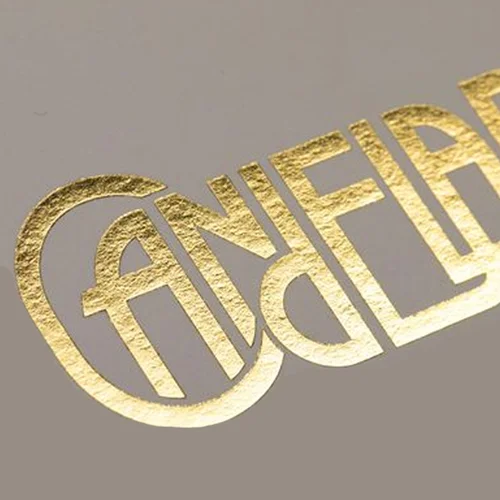
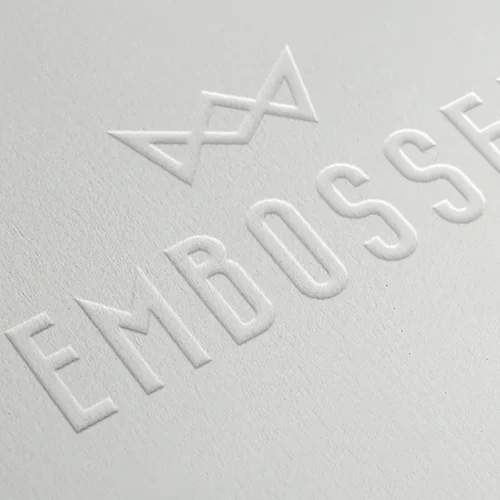
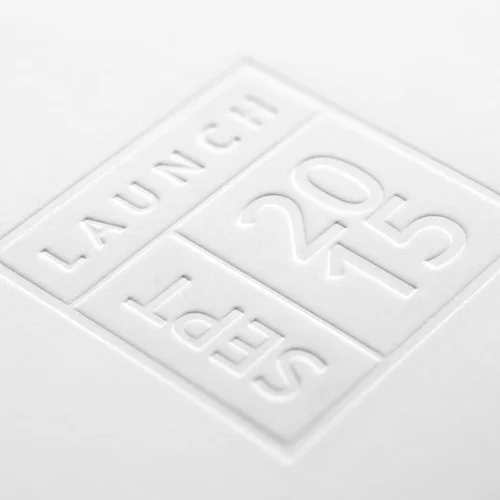
The outer wrap is where most of the visual detail sits. Since the printed sheet is applied after the box is formed, it allows for a wide range of finishes. Common options include matte or gloss coatings, embossed logos, or foil details applied to the surface. These finishes sit on top of the wrap rather than being part of the structure itself. Many brands keep the design fairly restrained. A simple colour palette, clean typography and one or two finishing details are often enough to give the box a refined look.
The structure of the box already carries some weight visually, so the design does not need to do too much.
A Different Approach to Sustainability in Wrapped Packaging
Wrap boxes are often kept rather than thrown away straight after use. Their rigid structure makes them suitable for reuse, whether for storage, organisation or gifting later on. This longer lifespan changes how they fit into the packaging cycle.
Some manufacturers also look at how the wrap and core materials work together. Using paper-based wraps instead of plastic coatings makes it easier for the box to be recycled once it is no longer needed. Another approach involves reducing layered materials. Instead of combining foam, magnets and multiple coatings, simpler constructions are used where possible. This keeps the box functional without adding unnecessary components.
There is also a shift towards designing boxes that can be separated easily. When inserts and outer wraps can be removed without effort, it becomes easier for users to sort materials before disposal.
Why Wrap Boxes Continue to Be Used
Wrap boxes are not always the fastest or cheapest option, yet they continue to be used across retail and gifting. They offer a steady structure, a clean outer finish and enough flexibility to suit different types of products. From shop shelves to presentation kits, they provide a format that keeps items organised while still looking considered.
For brands that want packaging to feel stable without becoming overly decorative, wrap boxes remain a reliable choice.


