









Custom Serum Boxes UK: From Structure to Shelf Appeal


Serum packaging presents a unique set of considerations that many brands only grapple with once the product formula is finalised and ready for market. A serum bottle, often glass, sometimes delicate, contains a high-value product that commands both protection and precision. The right outer box doesn’t just protect a bottle; it speaks to how the product feels as part of a skincare routine.
Unlike bulkier cosmetics or everyday personal care, serums are often associated with concentrated actives and premium positioning. This means the packaging needs to align with those associations in both look and performance, but without over-complication.
Getting the Structure Right for Fragile Bottles
Serum bottles are frequently made from glass, chosen because it doesn’t interact with sensitive actives and delivers a premium feel. But glass introduces obvious fragility. A box with no internal support increases the risk of breakage during post, courier deliver, or retail handling.
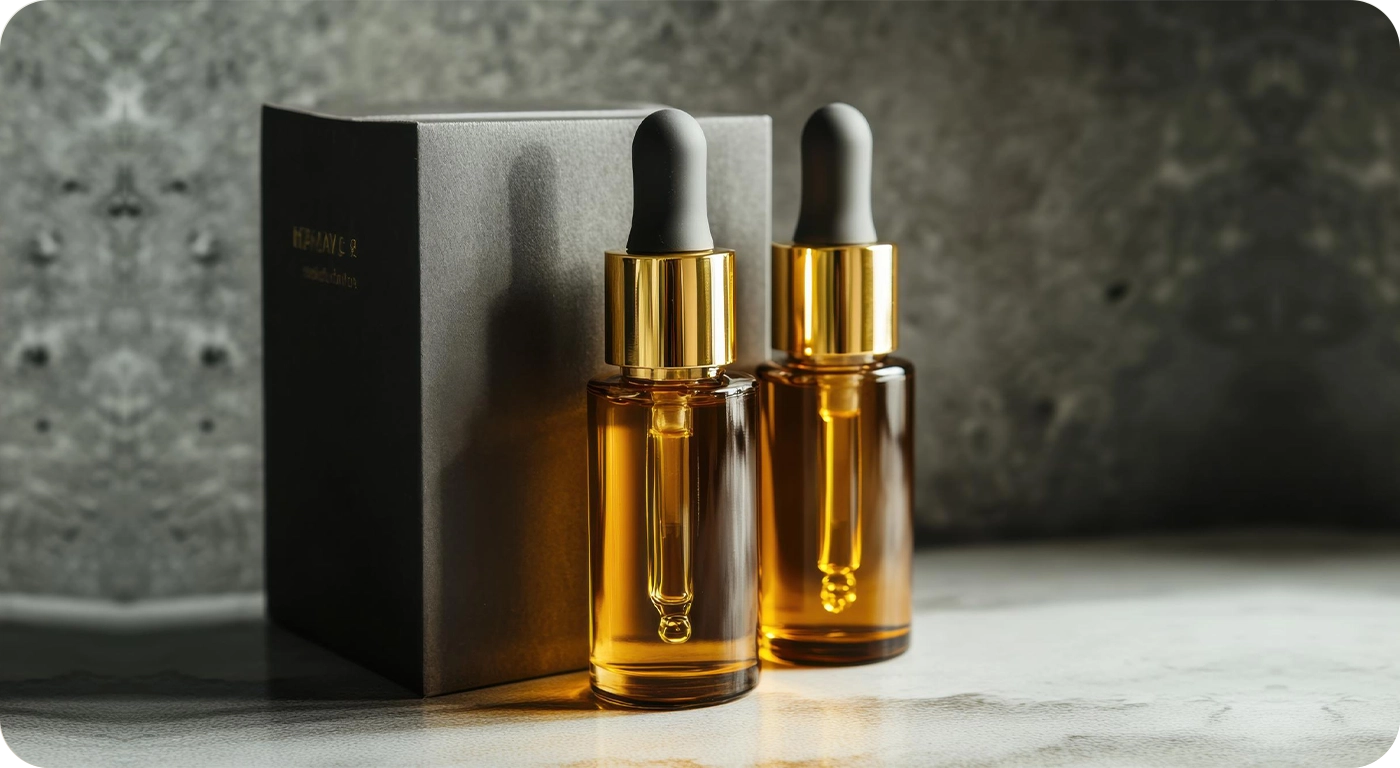
Adding internal support inserts allows the custom packaging to hold the bottle steady and protect it from side impacts, while integrating separate compartments secure the bottles in multi-set boxes. Double-wall construction helps where rigidity is necessary for heavier bottles, and adding proper cushioning prevents rattling within the box without adding any extra bulk to the package.
It’s always better to design the internal structure first, and then the exterior to help avoid situations where aesthetics override function. A serum box that looks good but fails structurally only increases costs and customer dissatisfaction.
Material Choices That Reflect Quality and Use
Choosing the right board stock for serum boxes in the UK is about matching performance with presentation.
Common materials include:
- Rigid Paperboard that is sturdy and excellent for premium aesthetics. Works particularly well with magnetic closures or two-piece box designs.
- Heavy Duty Folding Carton which is slightly more flexible but suitable for lightweight serums or travel kits.
- Eco Friendly Boards for brands with sustainability goals, recycled and recyclable boards offer a practical alternative so long as strength isn’t compromised.
Serum packaging often benefits from coatings. For example:
- Soft matt lamination adds a luxe feel without glossiness.
- Textured boards signal natural or organic positioning.
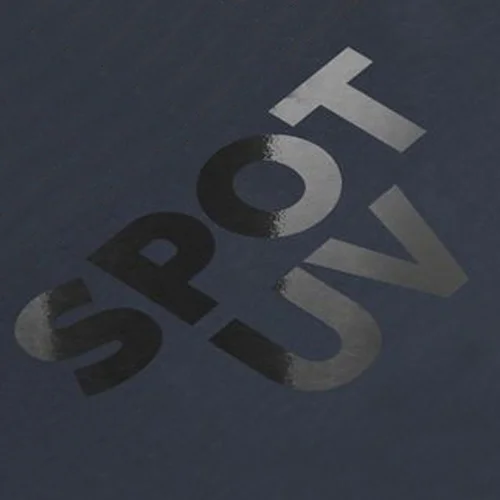
- Spot gloss or foil accents highlight brand cues without overpowering.
Material choices intertwine with both brand positioning and the way consumers interact with serums, often daily, so tactility plays a role as much as visual cues do.
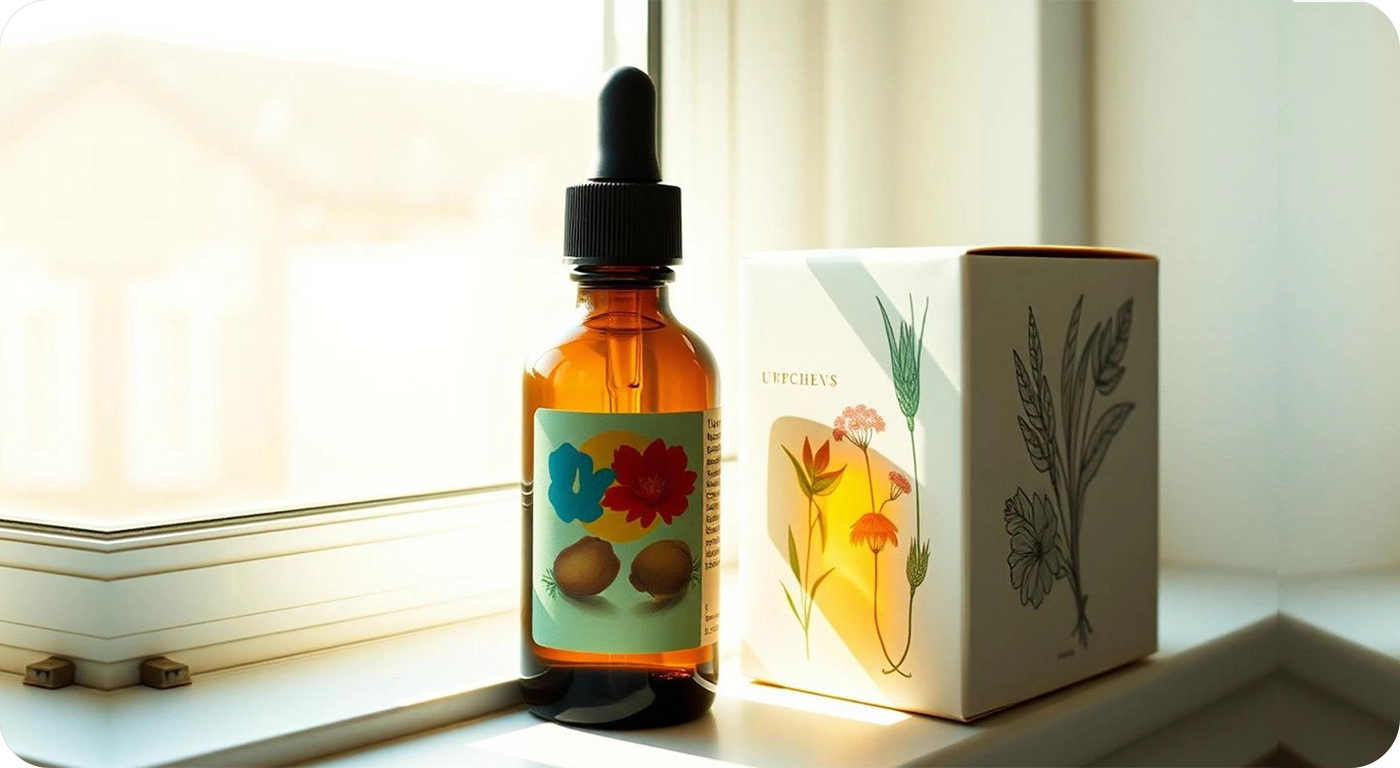
Colour, Typography and Visual Identity
Serums don’t have universal visual language in the way some other beauty categories do. Some are clinical, some are botanical, and others are lifestyle-driven.
Brands often use a few packaging cues to help communicate the product category, for example, subtle colour palettes for serums positioned as calming or restorative, clean and precise typography for clinical products, bold and contrasting graphics for trend-led formulas and minimalist branding for premium collections.
The box front is often where consumers make a quick judgement on relevance, especially online. Imagery or iconography that suggests targeted benefits (e.g. hydration, anti-aging, glow) can help convey value without overwhelming text.
Retail Realities: Shelf Impact and Consumer Choice
Serum boxes rarely stand alone. They line up on shelves alongside dozens of competitors, and they appear as thumbnails in search results or online marketplaces.
In that environment, clarity outperforms clutter.
Clear hierarchy in design, brand name, product benefit, key ingredient callouts, helps the consumer quickly parse what matters. For example, a box that reads:
Rosehip Serum with Vitamin C • Hydration • Daily Use
is far easier to understand at a glance than one with a crowded paragraph of text.
Retailers also appreciate packaging that fits standard shelf footprints and stacks consistently. Boxes with unpredictable angles, oversized dimensions or unstable bases can disrupt display planning.
Labelling, Compliance and Clear Communication
Serum boxes are one of the most regulated packaging types in the cosmetics space. Labels must include:
- Ingredient lists (often in INCI format)
- Batch codes
- Volume/weight declarations
- Distributor or brand information
- Any required warnings or directions for use
But compliance doesn’t have to crowd the design. Prioritising information hierarchy, differentiating between mandatory labelling and brand storytelling, and using concise, well-spaced text helps keep boxes readable.
Given the attention to health and active ingredients in serums, transparency here contributes directly to trust.


