










Custom Pie Boxes: Practical Packaging for Fresh Baked Pies

A good pie rarely travels far without a proper box. Whether it’s a classic steak pie from a neighbourhood bakery or a fruit pie heading out with a takeaway order, the packaging has a simple job: keep the pie intact until it reaches the person about to eat it. That sounds straightforward, but anyone working in a bakery knows pies can be surprisingly difficult to pack.
They’re warm, sometimes delicate, and often filled with sauces or fruit that can leak if the packaging isn’t right. That’s why custom pie boxes have become a staple for bakeries, cafés, dessert shops and takeaway counters across the UK.
Built for Pies, Not Just Baked Goods
Pie boxes differ from general bakery packaging because pies behave differently from cakes or pastries. The crust can crumble, fillings can shift during transport, and steam can soften the pastry if the packaging traps too much moisture.
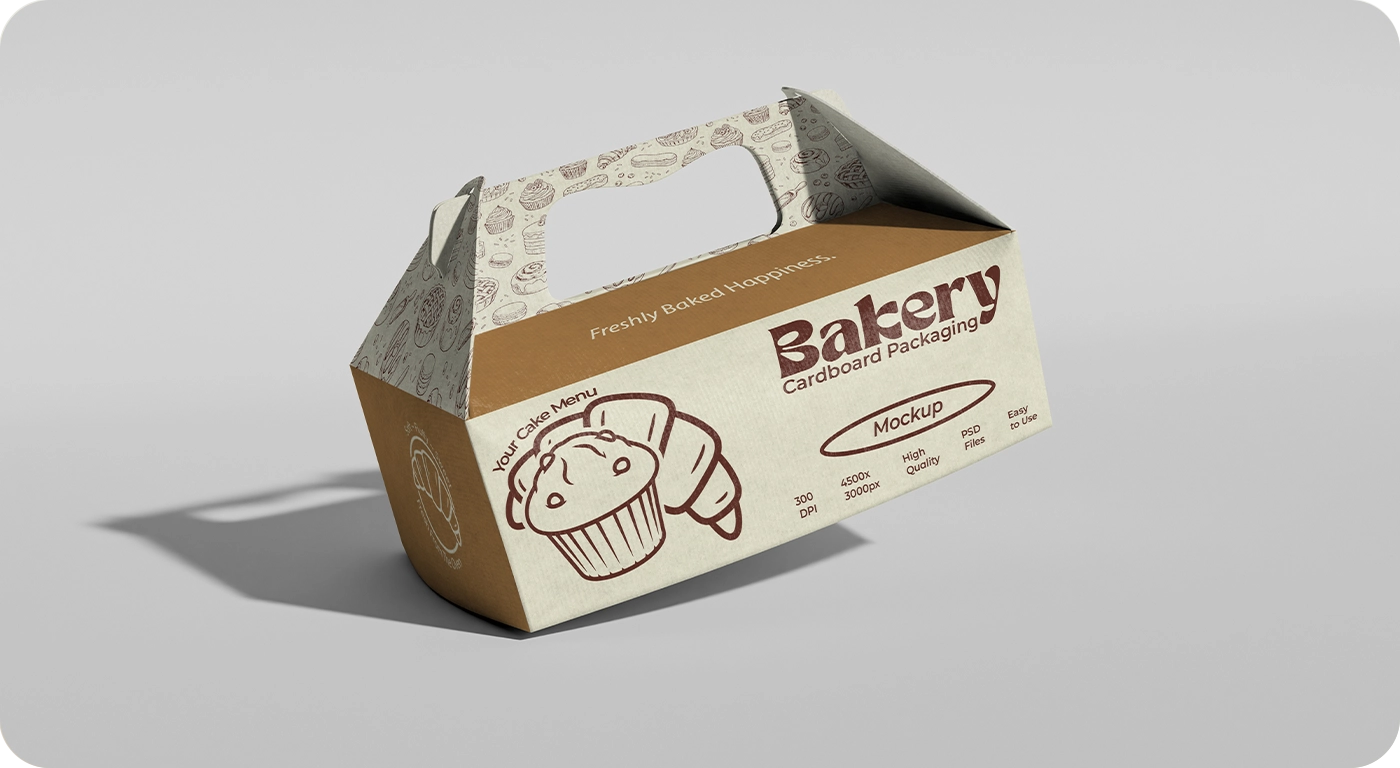
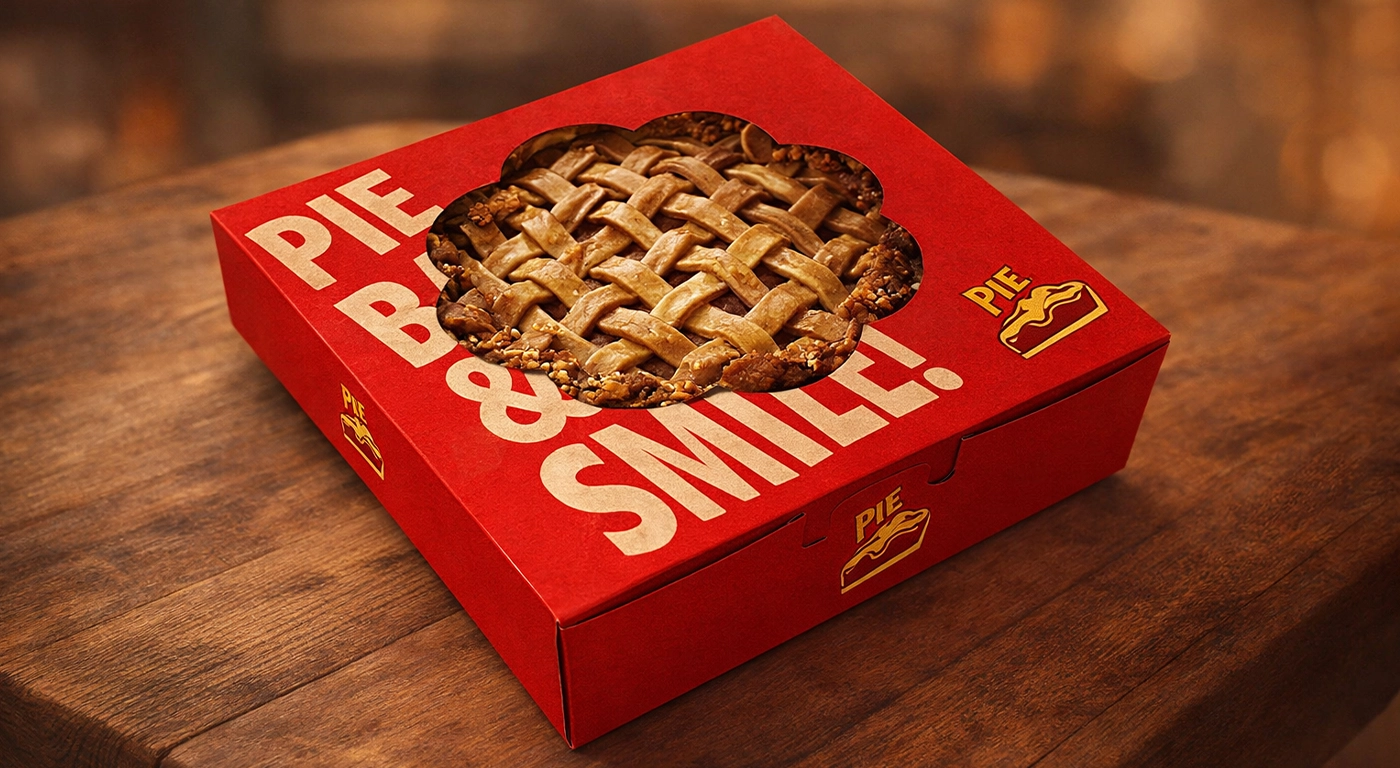
Most custom pie boxes are designed with angled sides and interlocking flaps that hold the pie securely while keeping the lid closed during transport. This structure helps protect the crust and prevents movement inside the box.
Material choice also matters. Common stocks used in pie packaging include kraft board, coated paperboard and lightweight corrugated board. These materials provide enough strength to hold the pie without adding unnecessary weight.
For bakeries offering takeaway slices, wedge-style boxes are common. Whole pies, on the other hand, often require square or rectangular cartons with reinforced bases.
Dealing with Heat, Grease and Moisture
Pies bring one challenge that many other desserts do not: grease and steam. A freshly baked pie releases moisture, and buttery crusts can leave marks on ordinary paperboard.
To handle this, pie boxes often include grease-resistant linings or protective coatings that prevent oil from soaking through the packaging.
Some designs also include small ventilation gaps or slightly raised lids. These allow steam to escape so the crust stays crisp rather than becoming soggy during delivery.
These small structural adjustments make a noticeable difference for bakeries selling takeaway or delivery orders.
Display Matters in a Bakery Environment
Walk into any bakery and you’ll notice how quickly customers make decisions. Often, they choose visually, the golden crust, the fruit filling, the size of the slice.
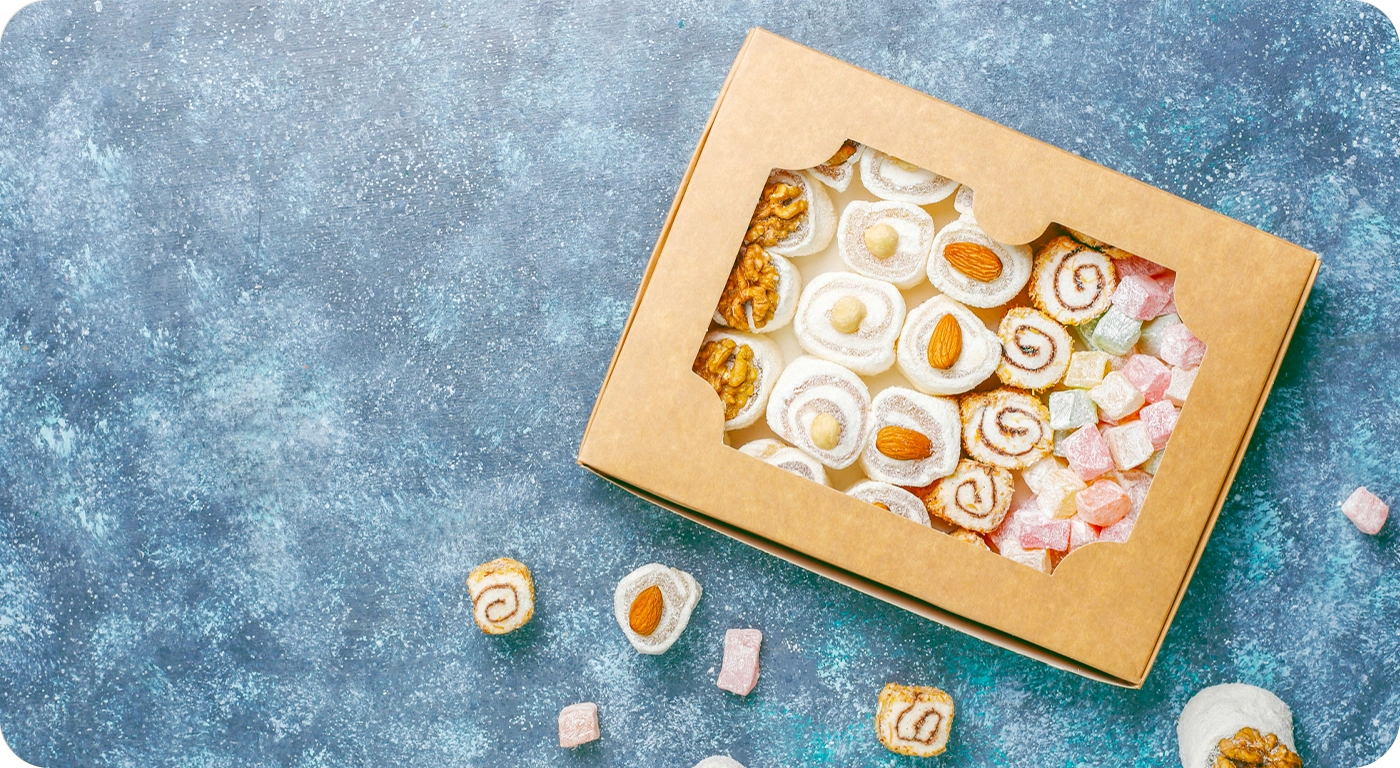
Packaging can support that moment. Window-cut pie boxes allow customers to see the product without opening the box, which keeps the pie protected while still showing its appearance.
For bakeries selling at farmers’ markets, food festivals or local shops, this type of packaging also saves time. Staff can hand over the box without reopening it for inspection.
The result is a faster service experience and a cleaner presentation.
Branding for Small and Growing Bakeries
Custom pie boxes are often used by independent bakeries and dessert brands that want their packaging to feel consistent with their shop identity.
Printing options usually include full-colour CMYK designs or Pantone colour matching so bakery logos and colours remain accurate across packaging runs.
Some bakeries keep things simple with kraft boxes and a single printed logo. Others experiment with seasonal designs for holidays or limited pie flavours.
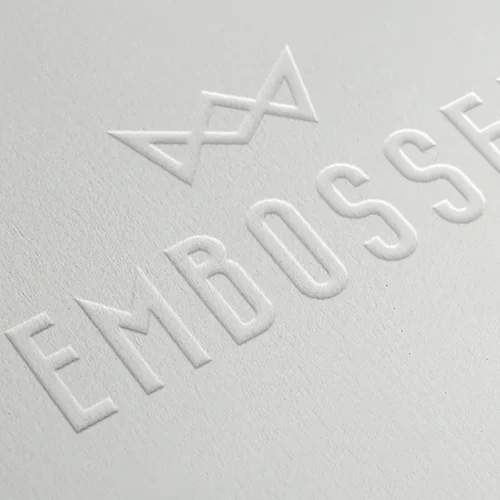
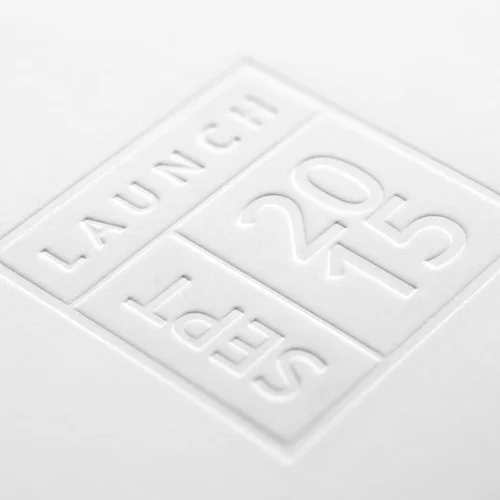
Foil stamping, embossing and spot UV are also sometimes used for premium pie ranges or gift packaging.
The aim isn’t always luxury; it’s just recognisable packaging that customers associate with the bakery they trust.
Custom Sizes for Different Pie Styles
Pie packaging isn’t one-size-fits-all. A bakery might sell:
- Individual savoury pies
- Fruit pie slices
- Mini dessert pies
- Full family-size pies
Custom box sizing allows the packaging to match the product exactly, preventing the pie from sliding around during transport.
Right-sized packaging also helps bakeries reduce wasted space in delivery bags or takeaway carriers.
Sustainability in Bakery Packaging
Many bakeries across the UK are reconsidering packaging materials, particularly as customers become more aware of waste and recycling.
One practical change has been the move toward paperboard and kraft materials that can be recycled after use. These boards are often sourced from responsibly managed forests and manufactured with lower-impact processes.
Another shift involves the inks used in printing. Vegetable-based and water-soluble inks are increasingly used because they work well with food packaging and break down more easily during recycling.
Flat-packed pie boxes are also common. They take up less storage space in bakeries and reduce transport volume when shipped from the manufacturer.
For small businesses, these small adjustments add up to a packaging system that feels more responsible without making operations complicated.
Why Custom Pie Boxes Continue to Grow in Demand
The popularity of artisan bakeries, takeaway desserts and local food markets has changed how baked goods are packaged. Pies are no longer just sold over the counter and eaten immediately; they’re often taken home, gifted, or delivered.
Custom pie boxes help bakeries manage that journey. With the right structure, materials and printing, the packaging protects the product while supporting the bakery’s identity.
For businesses focused on quality baking, the box simply becomes another part of the craft, one that carries the pie safely from oven to customer.


