








Custom Perfume Boxes That Balance Presentation and Protection

Perfume packaging has always been closely tied to the identity of a fragrance. While the scent itself remains the centrepiece, the outer box still plays an important role in how a fragrance is stored, shipped and presented in shops.
Fragrance bottles are usually made of glass, often with decorative caps or pumps. This makes them fragile compared with many other cosmetic products. Because of that, custom perfume boxes are designed with a clear purpose: holding the bottle securely while presenting the fragrance in a way that matches the brand behind it.
Across the UK fragrance market, packaging designs vary from simple folding cartons to rigid presentation boxes used for premium collections.
Packaging Built Around the Bottle
Perfume bottles rarely follow a single standard shape. Some are tall and narrow, others wide or sculpted with decorative glass forms. Because of this variation, many perfume boxes are produced in custom dimensions rather than standard sizes.
The goal is a close fit between the bottle and the box. When the internal space matches the bottle shape, movement during transport becomes far less likely. This also reduces the need for excess filler materials inside the packaging. In many designs, inserts are added to hold the bottle in place. These inserts are often made from foam, cardboard trays or moulded paper structures that cradle the bottle. The insert keeps the fragrance stable inside the box and prevents the glass from knocking against the walls during shipping. For gift sets, inserts may also include extra compartments for travel sprays, body lotions or sample vials.
Common Box Styles in Perfume Packaging
Perfume packaging appears in several structural formats depending on the brand and price range.
Folding cartons are common for everyday fragrance lines. These boxes are lightweight, easy to stack and work well for large retail displays. Luxury perfumes often use rigid box structures. These are thicker and more structured than folding cartons, which gives the packaging a more solid feel when opened. Lid-and-base boxes, drawer-style packaging and magnetic book-style boxes are all widely used for high-end fragrance releases.
The opening style also contributes to the presentation. A lift-off lid or sliding drawer creates a slower, more deliberate reveal of the bottle inside.
Visual Design in Fragrance Packaging
Fragrance brands tend to treat packaging as an extension of the scent’s character. A fresh citrus perfume may come in a bright, clean design, while deeper evening fragrances often use darker colour palettes.
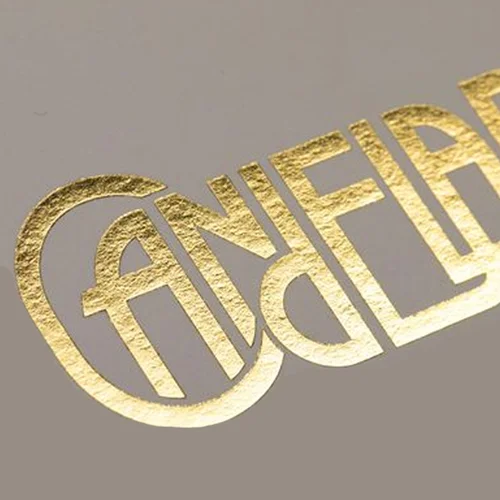
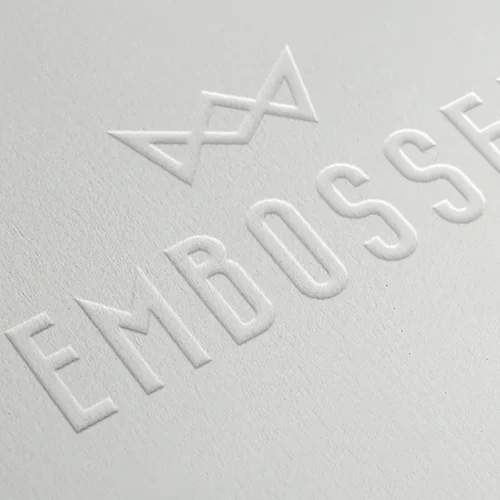
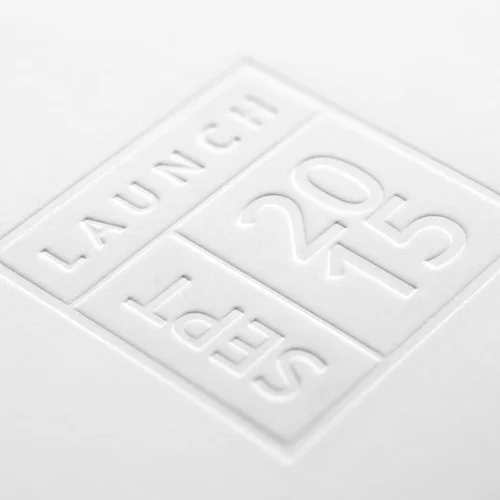
Printing methods such as CMYK and Pantone colour matching are widely used so that the packaging reflects the brand’s colour scheme accurately across large production runs. Decorative techniques may include foil stamping, embossed logos or textured papers. Many fragrance brands keep the design fairly restrained. A simple colour background with a foil logo or minimal typography is common, as it allows the bottle and brand name to remain the focus. Interior details are also becoming more common. Velvet-lined inserts, printed interior panels or ribbon pulls can add a small element of presentation when the box opens.
Packaging for Retail and Online Sales
Perfume boxes must work in different environments. A fragrance may appear on shop shelves, inside airport duty-free displays or within online deliveries.
Retail packaging often includes clear product information panels where ingredients, volume and regulatory details can be printed. These details allow retailers and customers to identify the fragrance quickly when browsing.
For online orders, packaging strength becomes more important. A sturdy carton or rigid box helps protect the bottle during shipping and handling. Corrugated outer cartons are often used during transport to prevent damage to the retail packaging inside. This layered approach allows the perfume box to remain presentable even after long-distance delivery.
Sustainability in Perfume Packaging
Fragrance packaging has also started to shift in response to environmental concerns. Many perfume boxes are now produced using paperboard sourced from responsibly managed forests or recycled fibre.
Another change involves simplifying the packaging structure. Some brands are reducing unnecessary layers, plastic trays or decorative wraps so the box can be recycled more easily. Paper-based inserts are also replacing plastic moulds in many designs. These inserts hold the bottle securely while remaining compatible with paper recycling streams. Printing processes are evolving as well. Water-based inks and coatings are often used on paper packaging because they allow the material to remain recyclable after use.
Some fragrance companies have also introduced refill systems where the outer box and bottle remain in use while only the fragrance refill is replaced. This approach reduces packaging demand over time and reflects a broader shift within the fragrance industry.
Perfume has always been linked with presentation. From the design of the bottle to the materials used in the outer box, every detail contributes to how the fragrance is perceived.
Custom perfume boxes allow brands to protect delicate glass bottles, organise fragrance sets and maintain a consistent visual identity across their product lines. In a market filled with competing scents, packaging still plays a quiet but important role in how a fragrance reaches the customer and how it sits on the shelf.


